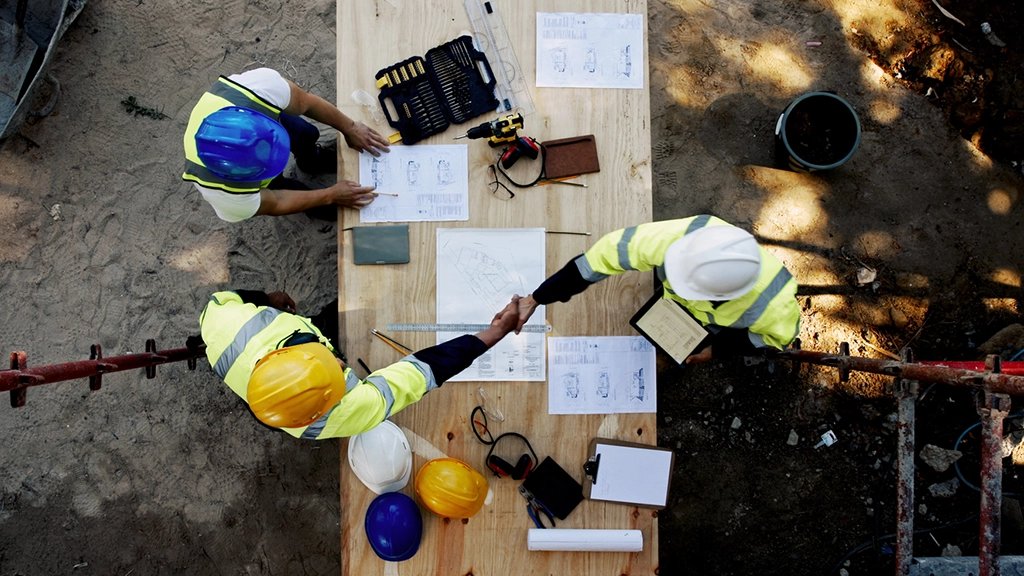
Overruns get written in preconstruction, long before anyone mobilizes. A soils surprise, an unpriced winter, a switchgear lead time nobody checked: each one is cheap to find in the first month and expensive to find in the sixth. We spend that first month on a Casper site walking the ground, reading its history, testing assumptions and putting real numbers against the scope.
This work is for plant and yard owners deciding whether and where to build, and how much to carry in the budget. We do not hand you a glossy proposal. We hand you a scope, a schedule logic, a risk list and a price range with reasons attached, and we tell you when a site or a scope does not work.
Preconstruction feeds whichever delivery method you pick, whether that is design-build or a hard bid with your own engineers.
What you hold before design is final
A preconstruction scope with us starts with a site walk and a records review: survey, utility locations, past use, drainage paths and access for the heaviest load you expect to haul. Then we price the work in packages (civil, concrete, steel, envelope, mechanical, electrical) so you see where the money sits.
We build a milestone schedule that shows the permit period, procurement lead times and the weather. We list the unknowns openly, such as soil bearing, groundwater and utility capacity, and put a cost range on each. At the end you get a decision memo: build here, build smaller, phase it or do not build.
Climate and code inputs we lock early
Wyoming sets snow, wind and frost values locally, and they vary widely from one jurisdiction to the next. Casper's published criteria list climate zone 6B, seismic design category B, a three-foot frost line, a 3,000 air freezing index and severe weathering. Snow load comes from the 2024 International Building Code table and the ASCE Hazard Tool. These numbers drive footing depth, roof framing, exterior concrete mix and heating, so we lock them in the first week.
If your parcel is in Mills, Bar Nunn or out toward Evansville, the local building department and its criteria may differ. We confirm with the correct office before we price. Our notes on permitting and entitlements coordination explain how that paperwork is managed once the budget is accepted.
Ground with a history
Casper's industrial past is part of the site. The refinery on what is now Platte River Commons opened in 1895 and ran until the last barrel was refined in 1991, and the property is still recovering from contamination. Across town in Evansville, groundwater contamination is tied to former industrial operations. Not every parcel nearby is affected, but we ask. Environmental questions change foundation depth, drainage and hauling cost.
We also look at what the site is next to. Active rail, heavy traffic routes, the floodplain along the North Platte or an operating plant can limit hours, access and noise. Neighbors and operators are part of the schedule, and we put their constraints in the plan.
Why our early numbers hold
Early numbers are only as good as the production rates behind them. Because we manage earthwork and concrete closely, our estimate comes from the production rates of our trade partners, not a unit-price book. That matters in winter, when frost, heat and enclosure change the rate. We can tell you what mass grading costs on frozen ground versus thawed ground, and what a heavy slab like industrial concrete floors costs with winter protection.
For the rest, we qualify subcontractors early and ask them real questions. Who has worked inside a refinery fence? Who can pass a safety orientation on short notice? Who owns a crane that fits the pick? Bids from unqualified trades are not savings. We bring a short list whose safety records and capacity match the job and show you the spread.
How the budget range is built
An early budget carries four buckets: known scope priced from quotes, allowances for items not yet defined, contingency for unknowns and escalation to the planned start. We keep them separate so you can see what is firm. An owner who sees one blended number cannot tell a soft allowance from a hard quote.
The big swings are usually site and schedule. Heavy slabs, deep footings, long utility runs and winter work move cost more than finishes do. If the process needs structural support for a crane or large equipment, the foundation line grows fast, which is when deep foundations come into the budget conversation.
Who calls us first
The people who call first are close to the energy trade: fabrication shops, equipment suppliers, oilfield-services yards and plants serving utilities and power or metals and heavy industry. Their sites are tight on schedule and light on tolerance for surprises.
Others are logistics operators looking at ground near the foreign trade zone sites, where a rail yard and highway access shape the layout. A short preconstruction engagement is usually enough for them to decide on a parcel and a first phase.
Get the numbers before the commitment
Tell us the site you are considering, the building you need and your target date. We will walk it, price it in packages and give you a straight recommendation. Call us or use the quote form.
Common Questions
How long does preconstruction take?
A budget check on a simple building can take a few weeks. A full scope with site investigation, procurement review and schedule logic takes longer, and the soils work often sets the pace. We give you a calendar for each step before we start. Owners who need a land decision quickly can ask for the site risk memo first.
How is preconstruction priced?
The fee depends on the scope. A quick budget review costs far less than a full estimate with a soils program and a schedule. We quote the fee before we begin and tell you what you will hold at each step, so you can stop where the information is enough.
Do I need a soils report first?
You do for any building with a heavy slab, crane loads or deep footings. We can scope the investigation, hire the geotechnical firm and review the findings with you. In preconstruction we usually carry a soils allowance and a range until the report is in.
What if my budget does not match the scope?
We say so, early, and show you the options. Common levers are phasing the building, trimming the yard, changing the structural system or moving a process to a later phase. We would rather you hear it in the first month than the sixth.
Can you price a site I have not bought yet?
Yes, and that is a good time to call. We can walk the parcel, read the records, check zoning and access, and give you a range for site work before you commit. The result can change the purchase terms or the price you offer.