A transformer on backorder can idle a finished building. The pattern is familiar on plant jobs: the steel goes up on time, the slab is clean, and the power gear is still somewhere in a queue. Long-lead procurement management is how we keep that from happening in Casper, where every truck haul from a supplier is long and winter can close a road.
We track the items that set the calendar: switchgear, transformers, motor control centers, process vessels, pumps, crane rails, overhead doors, rooftop units and structural steel. Each gets a need-on-site date, a release date, a submittal clock and a named owner. The log is a living document, reviewed in every weekly meeting.
A plant owner can only avoid the surprise by looking at the log early. We show it to you at the start of the job, not the end, and we flag any item that has already slipped past its release date.
What goes on the log
Anything with a lead time longer than the building's own critical path goes on the log: electrical gear, large equipment, specialty doors, high-bay lighting, fire pumps, fabricated steel and special coatings. We get lead times from vendors in writing, not from catalogs, and we update them every two weeks until delivery.
For each item we work out the release point. Some orders can go out on a design basis, while others need final engineering first. We agree with you on who can authorize a purchase, because a three-day owner approval on a purchase order can cost three weeks of schedule. The other risk is gear that does not match the final drawings, which is why submittal review comes before release and not after. Closing the loop ends in commissioning and turnover, where the delivered gear is tested.
Getting material to Casper
Casper sits at the junction of Interstate 25 and US 20, 26 and 87, and a rail line ends in town. Northeast of the airport, an 18-track yard on about 250 acres at the Casper logistics hub handles refined products, wind-energy components, fertilizer, construction materials and even a rebar project. A 2026 report put it at about 150 cars a month, against about 500 in peak years. That spare capacity makes it a practical option for heavy or bulky material.
The Natrona County airport has daily air cargo service, which helps small critical parts reach us fast. For everything else, long truck hauls are the norm. We plan deliveries around the weather window, schedule oversized loads for daylight and keep a stabilized receiving area ready so loads do not sit on the highway.
Decisions that cannot wait
Procurement decisions are owner decisions. Which switchgear? Which pump brand does your maintenance team already stock? Spare parts and standards matter more to a plant than a small price difference. We bring the options early, with lead times and cost, so your team can choose before the window closes.
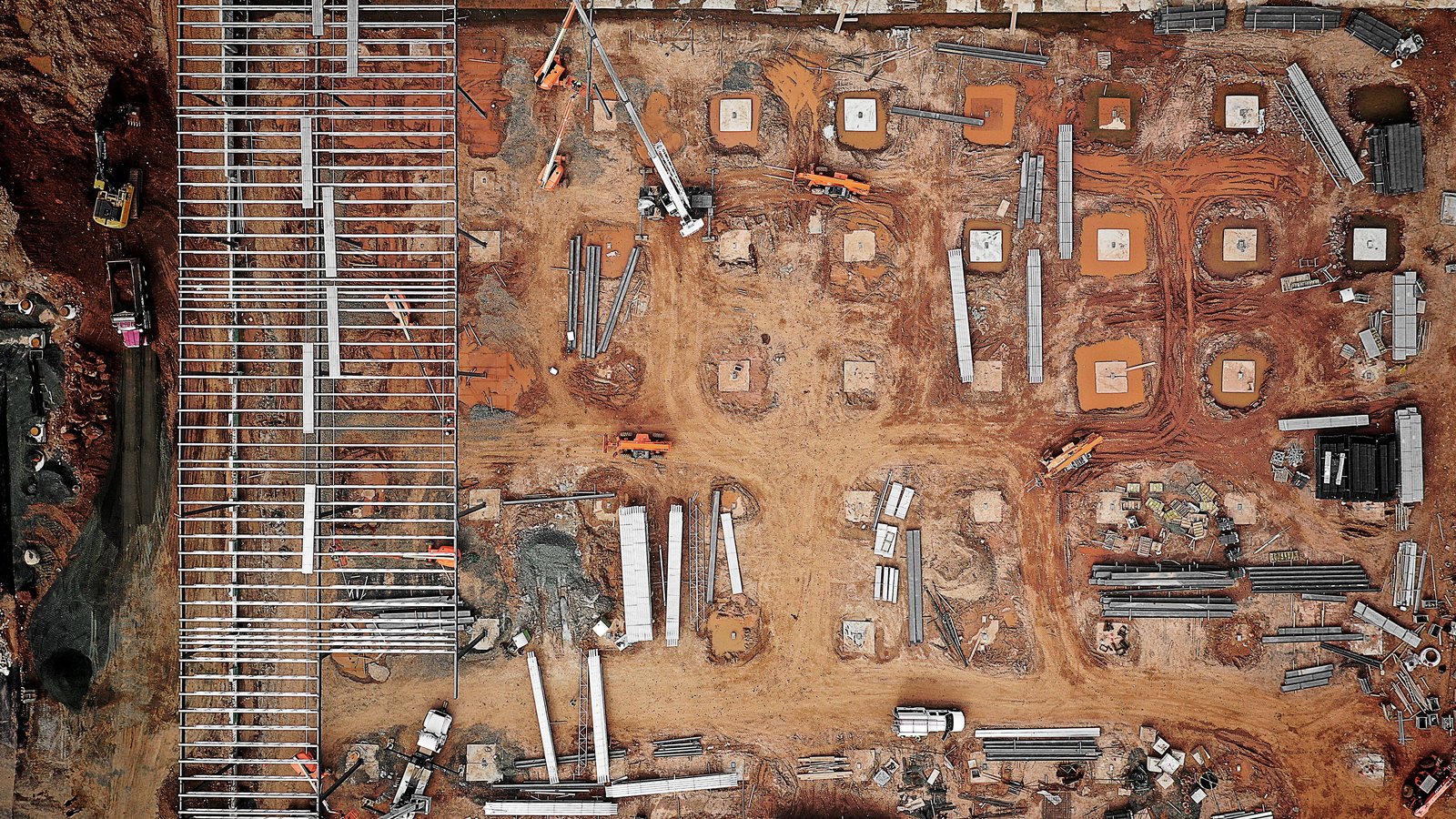
Storage is the next problem. Gear that arrives early needs a place to sit. Electrical equipment may need heated, dry storage, and fabricated steel needs dunnage and protection from mud and wind. A stabilized laydown yard built early is often the cheapest storage on the job. Insurance responsibility during storage goes in the plan, not into an argument after the delivery.
Need dates, not hope
We work backward from the date the equipment must be set. Subtract shipping, then fabrication, then submittal and approval, then engineering. The release date at the other end is the real deadline. If you are past it, the schedule moves or the price rises for expediting. Better to learn that on day one.
Winter tightens the calendar. Road closures delay deliveries, and a crane cannot set gear in high wind. We build slack for weather into the key lifts. Where tie-ins depend on a plant shutdown, the delivery date is set by the shutdown and not by us, which is the discipline behind phased construction on occupied sites.
What delay and expediting cost
Expediting is the tax on late decisions. Air freight, premium shop time and overtime assembly add cost, and the days saved are often fewer than promised. We show you the price of acceleration beside the price of waiting, so you choose with numbers. Escalation hides here too: quotes held for 30 days and then repriced. We ask vendors for validity periods and lock prices at release where we can.
Plant owners sometimes buy gear directly and hand it to us to install. That can save markup and give you control of specifications, but it moves delivery risk and warranty coordination onto you. We write the split plainly: who buys, who receives, who inspects, who stores and who pays if it arrives damaged. Metal building packages are a typical example, covered under pre-engineered metal buildings. Owners in metals and heavy industry see the same pattern with crane and mill equipment.
Put the log on the table at the start
Send the equipment list and the date you need to be running. We will build the procurement log, mark the items at risk and give you release dates you can plan around. Call us or use the quote form.
Common Questions
Which items should I order before the permit is issued?
Items with a long lead time and a stable design, such as switchgear, structural steel packages and large equipment, are good candidates, if you accept the risk of a design change. We recommend releasing early only when the permit path is clear. If the review might change the layout, hold the items that depend on it.
Should I buy equipment directly or through you?
Both work. Buying direct can save markup and keeps your standards in place. Buying through us puts coordination, delivery and installation under one contract. We lay out both options with costs and risk, then follow whichever you choose, with receiving and storage written down either way.
How do you protect deliveries from winter weather?
We plan covered or heated storage for electrical and sensitive gear, keep access roads plowed and stable, and schedule oversized loads for good weather where possible. Cranes get wind limits. We keep a plan B for the lift day, because a postponed pick is cheaper than a dropped one.
What happens if a supplier misses the date?
We find out before the date, not on it. The log carries confirmed ship dates and we check them on a set rhythm. If a slip is coming, we look at resequencing, expediting or a substitute, and show you the cost of each. You decide, and we adjust the schedule.
Can rail help with a heavy delivery?
Sometimes. A rail yard northeast of the airport takes a range of freight, including construction materials and wind-energy components. It makes sense for bulky material when the supplier ships by rail and a truck transfer is practical. We check the offload method and the haul route before committing.