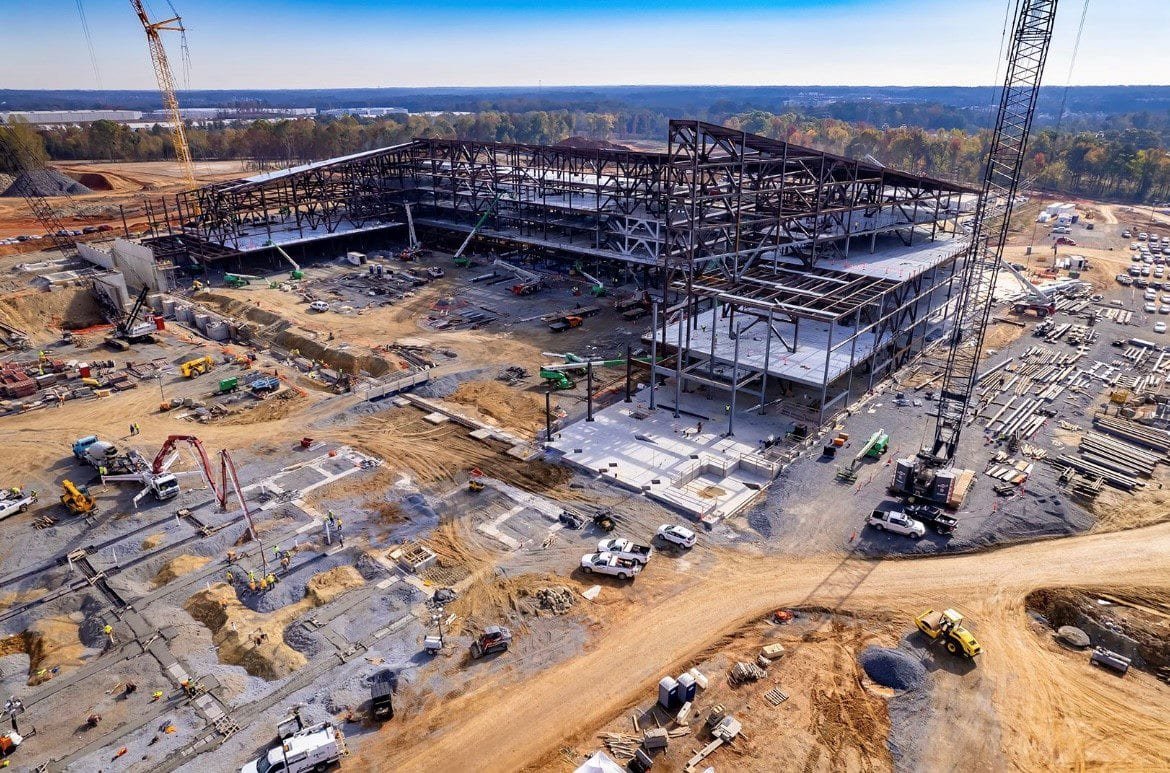
Structural steel building frame during construction

About Industrial Contractors of Casper

1 / 1

No permit to work, no work. That rule comes first at Industrial Contractors of Casper, and everything else on this page follows from it.

We build and repair industrial facilities in Casper and across Natrona and Converse counties. Our customers run refineries, oilfield service yards, fabrication shops, power and pipeline facilities and the freight operations that feed them. Their sites are live. Pipe is hot, equipment is moving and the weather is serious. We plan the job around that fact and write the safety plan before the schedule.

Safety first, in writing

Every project starts with a safety orientation for every person who will be on site. Operators, owners and facility safety staff set the rules, and we follow them. Where an operator uses a permit to work system, our supervisors take part in the daily permit review, and no crew starts until the permit is issued and the hazards are read aloud.

That includes the ordinary controls that keep a small incident from becoming a large one:

  • Hot work, confined space and excavation permits requested ahead of the shift.
  • Lockout and tagout verified by the person who will work on the equipment.
  • Gas monitoring where the site calls for it, with detectors on before the crew arrives.
  • Ground disturbance checks and utility locates before any cut, with potholing near live lines.
  • Daily toolbox talks, near-miss reporting and a stop-work authority that anyone can use.

We price the time those steps take. Safety is not an add-on at the end of a bid.

East Casper and Evansville: plant work

The industrial core sits along the US 20, 26 and 87 corridor east of town. The surviving refinery in the Casper area is in nearby Evansville, with a capacity of 30,000 barrels per day, and a ring of fab shops, pipe yards, truck terminals and service companies surrounds it. Operators and contractors there share roads, fences and emergency plans.

We handle the work that supports a plant like that: equipment pads, secondary containment, pipe racks, shop buildings, control buildings and access roads. Our Evansville work takes account of the area's environmental history, including groundwater contamination at a known Superfund site along US 20, so we check records, test soil where needed and plan for handling and disposal before the first cut.

For metals and heavy industry customers, the common requests are crane-ready bays, heavy slabs, welding and fabrication floors, stockyards and laydown areas. A fab shop lives or dies by its floor and its crane runway. We lay out both before we frame anything.

Turnarounds and shutdowns

A turnaround has a start date, an end date and a daily cost of lost production. We treat it that way. Our shutdown teams arrange to prefabricate off-site where possible, deliver material in sequence and stage tools and trailers inside the access plan.

The planning is dull and it works. Scope is frozen early. Long-lead items such as steel, anchor bolts, embeds and special doors are ordered before the outage date. Concrete is scheduled around the operator's fire-watch and hot-work rules. Laydown space is mapped so that two crews never need the same corner of the yard. Equipment pads and foundations are poured and cured with enough time before equipment sets, with tolerances checked by survey and grout planned for the temperature on the day.

When the schedule slips, we say so the same day and show what moved.

Fab shops, maintenance bays and yards

Not all work is plant work. Oilfield service companies, trucking firms, pipe suppliers and fabricators need buildings and yards that suit heavy equipment. Our maintenance shops and service bays include drive-through bays, trench drains, oil and sand separators, overhead cranes, floor slabs sized for lifts and jacks, and exhaust and ventilation systems. We detail doors, insulation and heat for a winter that is cold and long.

A yard is a work surface. Our stabilized laydown yards use compacted base and geotextile where soils require it, drainage that keeps pipe and equipment out of standing water, and fencing and lighting appropriate to the site. When a customer needs a big shop on a short schedule, a pre-engineered metal building is often the right answer: factory-made frame, fast erection, and a design that can take a crane runway, a mezzanine or an insulated envelope.

Salt Creek, Midwest and the oilfield

The Salt Creek Oil Field in Natrona County had produced more oil than any other Rocky Mountain field by 1970, and it now uses CO2 enhanced oil recovery. That means pipe, compression, treating and injection facilities running beside older wells and roads. The work is remote, weather-driven and close to live process.

The Salt Creek oilfield trade crews build equipment pads, shop buildings, yards and access roads under the operator's field rules. Gas detectors go on first. Travel time is built into the day. Fuel, water and welfare facilities are planned, because the nearest supply may be miles away. We stage materials ahead of storms and watch road conditions, since a closed highway can stop a pour or a delivery.

The same approach applies to Midwest, Edgerton and the other field communities in the county.

Rail, freight and the airport

A Union Pacific line terminates at Casper, and freight is a working part of the local economy. The Casper logistics hub is listed at 984 acres at 6 Mile Road and Commerce Street as a magnet site of Foreign Trade Zone 157. A railyard northeast of the airport handles bentonite, barite, refining products, oil and gas, wind-energy components, fertilizer and construction materials.

Casper-Natrona County International Airport covers 5,150 acres, and its business park next door houses more than 35 businesses ranging from manufacturing to aviation. We build warehouses, transload facilities, hangars and truck yards in these districts, along with the rail-adjacent paving and drainage they need. Bar Nunn, Mills, Glenrock and Douglas along the I-25 corridor add smaller industrial and utility jobs, including work near large power generation and electric transmission sites for utilities and power customers.

How we price and report

Bids list what is in and what is out. Allowances are named. Unknowns, such as buried utilities, contaminated soil or an operator's outage date, are written down with a cost range instead of buried in a contingency. During the job you get a daily log, a weekly look-ahead and a short list of open items. At closeout we hand over as-built drawings, test records, equipment data and a walk-through with the people who will run the facility.

If you have a shutdown, a shop or a yard to plan, send the site, the scope and the dates. We will tell you what the permit to work process will add and what it will save.

Codes, cold and ground

The City of Casper lists the 2024 International Codes as adopted, with amendments in Title 15 of its municipal code, and publishes engineering and climatic criteria: climate zone 6B, a three foot frost line to the top of footing, an air freezing index of 3,000 and severe weathering. Snow load comes from the 2024 IBC and the ASCE hazard tool. Wyoming has no single statewide building code, so outside the city we check the county or town that holds authority. Commercial permits in Casper often require a life-safety plan and engineered documents, and we budget the time for both.

Cold affects everything. Concrete needs protection. Backfill freezes. Equipment idles to stay warm. We plan winter work around heat, enclosures and realistic production, and we bring plain-language daily reports so you know where the job stands.

Common Questions

Do you work inside operating refineries and plants?

Yes, under the operator's rules. We attend safety orientation, follow the permit to work process, take part in daily permit reviews and keep our teams inside agreed work areas.

Can you support a turnaround or shutdown?

Yes. We freeze scope early, prefabricate where possible, order long-lead items before the outage, map laydown space and report progress against the shutdown schedule daily.

Do you build in remote oilfield locations?

Yes. We build pads, shops, yards and access roads in Natrona County field areas, with travel, weather, fuel and gas detection built into the plan and the price.

What buildings do you build for fabrication shops?

We build crane-ready shops, heavy floor slabs, pre-engineered metal buildings, service bays and the yards around them. Crane capacity, runway layout and door sizes are set with the shop owner before design is final.

Which codes apply in Casper?

The City of Casper lists the 2024 International Codes with local amendments. Wyoming has no single statewide building code, so we confirm the adopted edition for each city or county before design starts.
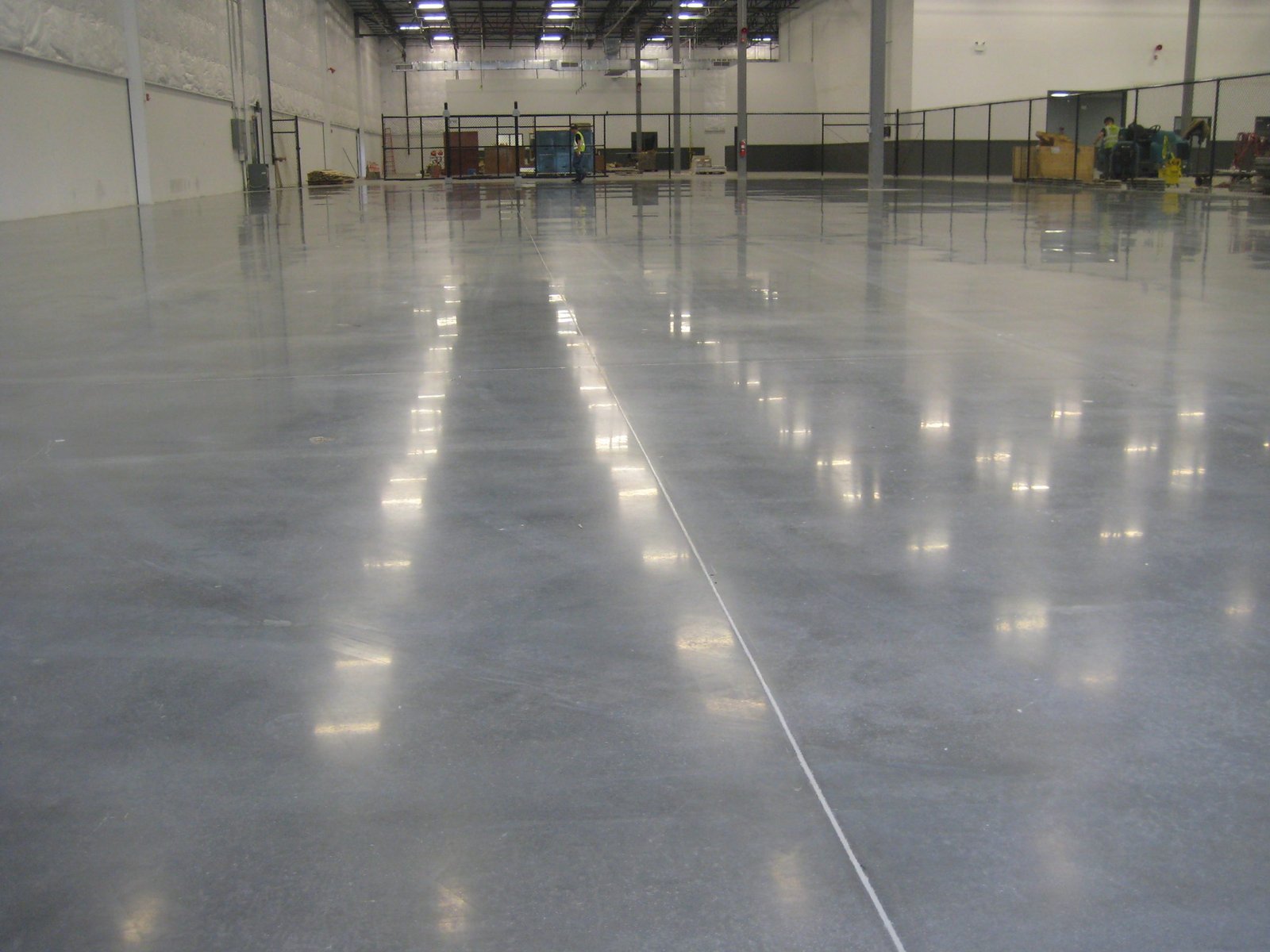
Industrial concrete warehouse floor

Plan your project: Request a project review

ServicesBuilding TypesIndustriesService AreasAboutContactRequest a Project Review307-355-4746
Call307-355-4746