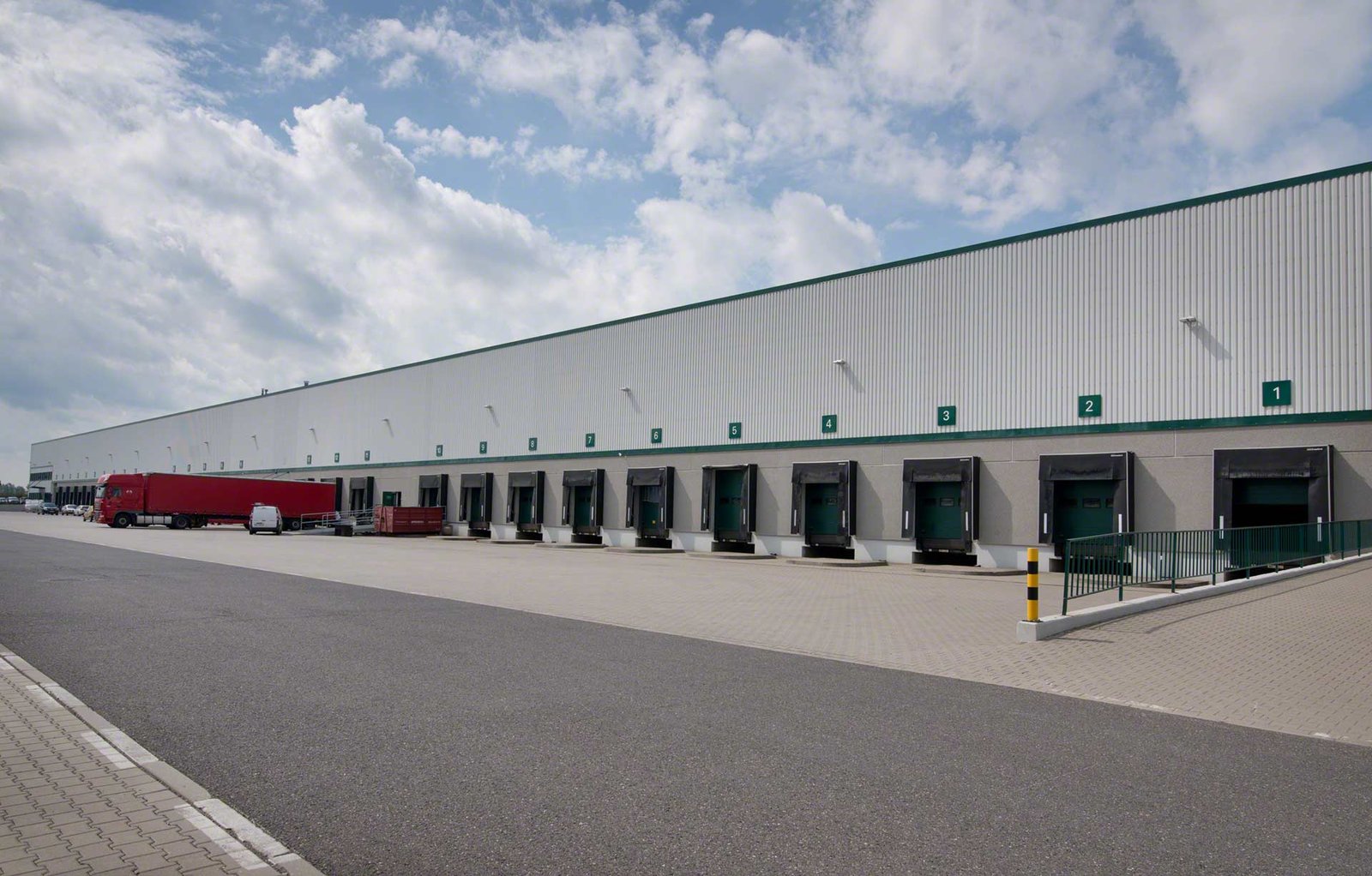
Freight reaches Casper three ways: rail, interstate and air. A distribution center here is judged by how well it connects to all three. Northeast of the airport, a short-line yard runs 18 tracks across about 250 acres, built to assemble and stage rail cars. Off the interstate, US 20, 26 and 87 spread traffic across the metro. At the airport, a daily cargo flight lands on a 10,165 foot runway.
That mix shapes the building. A center near the rail yard wants truck court depth and good heavy-haul access. One near the interstate wants fast truck entry and exit with minimal stacking on public roads. We build for either, as a ground-up center or as an addition to an operating site where the shift schedule cannot stop.
We plan around the permit to work, which means every hot-work, excavation and lift activity has a named owner and a stop condition. A distribution center in operation is a busy place, and the best time to separate trucks from trades is before the first pour.
Build the flow first, then the walls
We start with the truck and trailer count, the inbound and outbound split and the peak hour, not with the building footprint. Those numbers set dock quantity, court depth and the gate. A court that is too shallow forces trucks to back across the public road, and no operator wants that conversation with the highway office.
From there we set the column grid, clear height and slab design. Narrow-aisle equipment wants flat floors, and automated sortation wants even flatter ones. We confirm the equipment vendor's tolerances in writing before we choose a pour method. Our work on dock aprons and loading zones is where most of this planning ends up on paper.
Rail, runway and interstate in one metro
The Wyoming short-line yard handles bentonite, barite, refined products, oil and gas materials, wind-energy components, fertilizer, wood, construction materials and a rebar project, and it has held about 150 cars a month recently after peaks near 500. That commodity list tells you who ships here: energy, agriculture and construction suppliers. A center serving them needs bulk-handling space and heavy floors, not just pallet racking.
Casper Logistics Hub is Magnet Site 2 of Foreign Trade Zone 157, listed at 984 acres at 6 Mile Road and Commerce Street. We keep that corridor in mind when talking to owners about site selection, and we explain what rail spur site improvements cost and how long they take to approve.
Safety on a site that never stops receiving
Expansion work on an operating center means forklifts, trucks and trades share a boundary. We fence the work zone, mark pedestrian routes and run a safety orientation for every person who enters. Drivers get a one-page route map. Banksmen control crane picks near live aisles.
Hot work needs a permit and a fire watch. Excavation needs locates and a competent person. Racking installers and sprinkler crews need access windows that we agree with the operator weeks ahead. If one trade slips, the schedule moves, but the rules do not.
Sequencing a building around lead items
The long items are dock levelers, overhead doors, electrical gear and any automation. We list them at preconstruction and tie their delivery dates to the pour and erection sequence. The goal is a dry, locked building before winter conditions set in, with slab curing finished ahead of racking.
For an addition we phase the work: new foundations and shell first, tie-in to the old building late, and cutover on a weekend or planned downtime. Our phased construction on occupied sites practice covers the temporary walls, dust control and fire separation that make that possible.
Where a distribution center budget moves
Pavement is the surprise for most first-time owners. A court that takes loaded tractors every day needs a thick section over a compacted base, and joints that hold. We price concrete and asphalt options with a maintenance view, since patching a court is a recurring cost. Fire protection comes next, since storage height and commodity class decide sprinkler density and whether a fire pump and tank are needed.
Utilities close out the list. A big building needs water for fire suppression, power for lighting and equipment and, in many cases, a fiber connection. Distance to existing service drives cost more than the building area does. We ask the utilities for will-serve letters before we commit to a number, and we price fire water loop and hydrant systems as their own line so you can see them.
Adjacent building types and services
Many centers share DNA with a logistics fulfillment center, where mezzanines and conveyor loads dominate. Others behave like a truck terminal and cross-dock, where throughput is measured in minutes. If your product needs temperature control, we also build refrigerated dock retrofits.
Operators who ship to the north corridor often look at parcels along the I-25 corridor north of Casper, where the highway exits at Wardwell Road, Westwinds Road and Ormsby Road offer separate entry points. We walk those parcels with you and report on access, drainage and utility distance.
Walk the site with us
Bring the freight profile, the shift pattern and the parcel. We will review dock count, court layout and schedule, and tell you plainly what the center costs to build and what can go wrong. Operators in e-commerce fulfillment and bulk supply both start here.
Common Questions
How many docks should a Casper center have?
Start from peak-hour truck arrivals and the average dwell time, not from a ratio of square feet. Add a margin for seasonal oilfield deliveries. We model court depth and door count together because adding doors without court space just moves the line outside.
Can you add on while we keep shipping?
Yes. We build the new foundation and shell first behind a fenced boundary, keep construction trucks off your court, and schedule the tie-in for a planned shutdown window. Fire separation and dust control stay in place until the wall is open and closed again.
Is a rail connection worth planning for?
If you ship bulk or heavy goods, it may be. A spur needs railroad approval, a grading plan and a pavement section for heavy axle loads. Ask early, because the approval is the long part. We can price the site work so you can compare it with trucking.
What clear height is common here?
It depends on the operator and the racking. We design clear height to your storage plan and sprinkler class, then check what the snow and wind loads mean for roof framing. Taller buildings cost more in wall and fire protection, so we price a few heights side by side.
How does the foreign trade zone affect construction?
It does not change how we build. It affects how you handle goods and customs. The zone boundary covers nearly all of Natrona County, and the airport runs the program, so ask its staff whether your parcel and operation qualify.