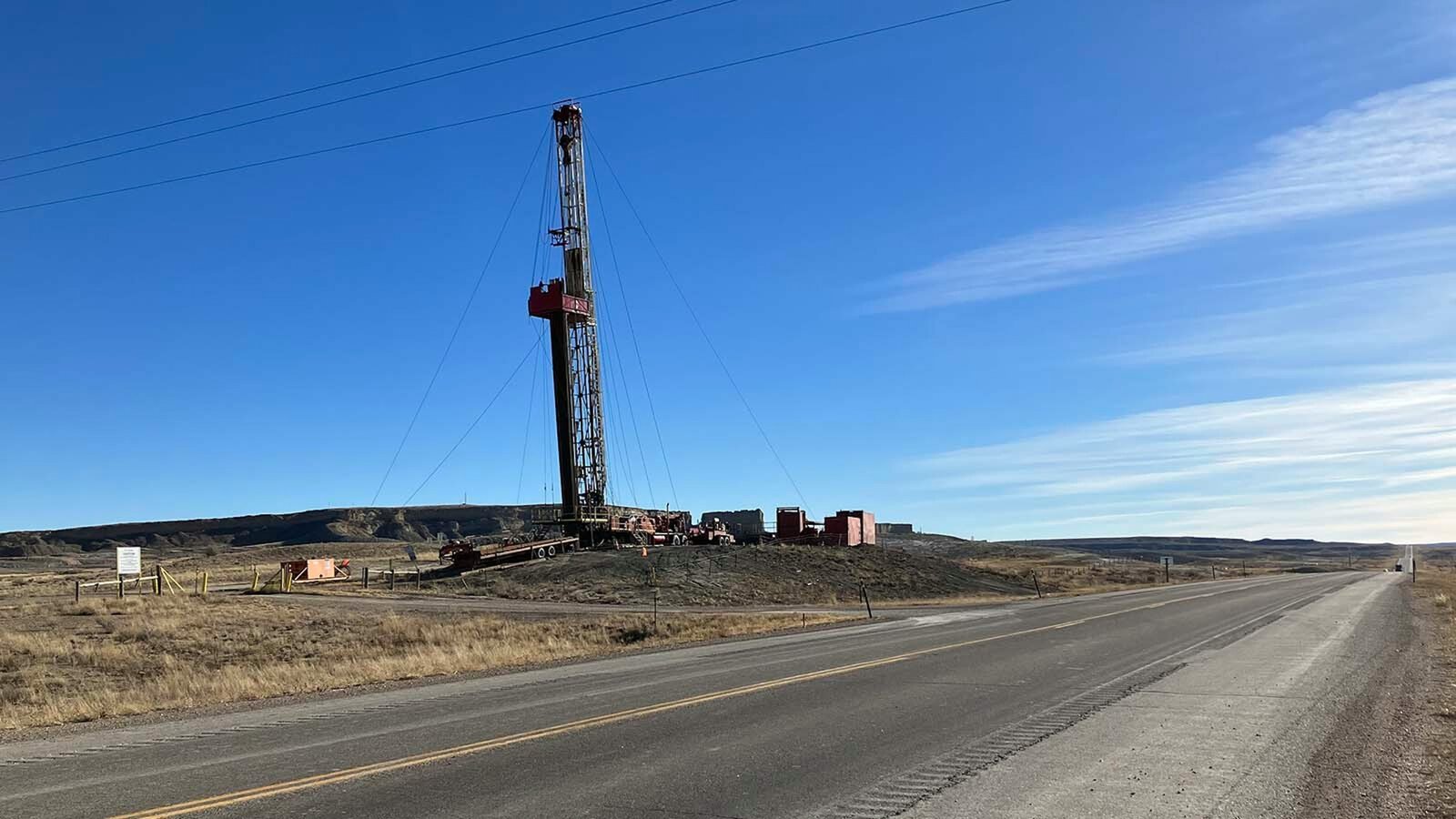
Gas detectors go on before the crew does at Salt Creek, and that sets the tone for every job we do in the field. Oilfield work is plant work with weather, distance and live process next door. We build equipment pads, shop buildings, yards and access roads for operators and service companies, and we run each job under a permit to work.
The Salt Creek Oil Field in Natrona County had produced more oil than any other Rocky Mountain field by 1970, about 20 percent of Wyoming's output. The Dutch No. 1 gusher was drilled in 1908, and the field now uses CO2 enhanced oil recovery. That means pipe, compression, treating and injection facilities running beside older wells and roads.
New construction here never sits on a blank page. It sits near gathering lines, wellheads, tanks and haul roads that are working today. Before we mobilize we ask for the operator's site rules, the permit to work process and the orientation schedule. Our people finish that orientation before they enter the gate. Nobody learns the hazards on the job.
Field safety before anything else
Field safety starts with the hazard list. Hydrocarbons, produced gas, CO2, H2S where it exists, pressure, rotating equipment, vehicle traffic and cold. We take the operator's rules as the minimum. Gas monitors, hot work permits, lockout and a stop-work authority that belongs to every worker apply to each task.
CO2 deserves its own paragraph. In 2016, CO2 leaking from an abandoned well at the field led to the temporary closure of a school. That tells you how seriously the gas has to be treated in low spots and enclosed places. We keep monitors on excavations and trenches, brief crews on wind direction and escape routes, and stop digging if a reading is wrong. The Midwest and Edgerton trade crews follow the same rule.
What we build in the field
The work is practical. Equipment pads and foundations for compressors, pumps, tanks and treating vessels. Containment curbs and drains. Shop buildings for service crews. Pipe and tubular yards with a stable surface. Gated compounds with lighting and fencing. Roads that carry rigs, water trucks and loaded flatbeds.
Every pad starts with the equipment data: weight, dynamic loads, bolt pattern, vendor tolerances. We build to that sheet, not a rule of thumb. Anchor bolts get set with templates and checked before the pour. Grout comes after the unit is level and approved. Where a vendor requires a certain slab flatness or cure time, we write it into the schedule and hold to it.
Working beside live equipment
Our job is to stay out of the way of production and still finish on time. That means a written scope with limits of work, a marked boundary and a line of communication to the operator's representative. Shutdowns and turnarounds are the windows when we can tie into live lines or work in restricted areas, and we plan to those dates well in advance.
Between shutdowns, we do what is safe near running equipment: civil work, foundations at a safe distance, shop buildings, yards and roads. Heavy loads cross live piping only on engineered crossings. Our heavy-haul access roads are built with a base that holds under loaded trucks and with ditches that move water away before spring melt.
Operators, service firms and support trades
Three groups use us. Operators with production and recovery equipment. Service companies that need a shop, yard and parking close to the field. And fabrication or pipe suppliers that stock the field. Each wants something different: operators ask for process pads, service firms want shops with overhead cranes and wash bays, suppliers need big, flat, well-drained yards.
The same project teams also serve utilities and power and metals and heavy industry jobs in the region, so we are used to heavy equipment, tight tolerances and strict site rules. Common ground: the work is dirty and loud, and the paperwork must be clean.
Ground, weather and remoteness
The field sits on open ground in Natrona County, and the weather is a project factor. Wind stops crane work. Cold slows concrete and hampers welds. Snow shuts roads. We watch the forecast every day and set go or no-go rules for lifts and pours the night before.
Remoteness changes logistics. Ready-mix trucks may run long distances. Crew parking, restrooms and first aid have to be planned. Fuel and parts need a plan. We stage materials on a fenced stabilized laydown yard so a delay on the road does not stop the crew. Rest and meal breaks, drinking water and emergency contacts are in the site plan.
Shutdowns, seasons and long-lead equipment
Field schedules are driven by operations. A turnaround window may be days. A shutdown for a tie-in may be hours. We prefabricate what we can offsite, stage it at the site and put it in the minute the permit allows. Rehearsal matters. We walk the sequence before the shutdown with every trade and every lift.
Long-lead items such as skids, vessels, electrical gear and compressors set the end date. We do not put a pad in ahead of a delivery that may slip by months. We track vendor dates weekly and adjust the foundation pour to match. A 2005 news report put one CO2 flood investment at up to $624 million, including a 125-mile pipeline. Those figures are from that year and may have changed, but the lesson holds: recovery projects here are staged and long, and that discipline keeps pads from sitting idle.
Bring us the pad, the yard or the shutdown
Send us the equipment list, the site rules and the window you have to hit. We will return a scope, a schedule and a safety plan built around your permit to work. Crews working from Casper cover the field.
Common Questions
How is field safety training handled before mobilizing?
We require a site safety orientation for every worker and follow the operator's access rules. That covers permit to work, hot work, lockout, gas monitoring and emergency procedures. No one enters the work area without it.
How do you handle CO2 hazards in excavations?
We use monitors in trenches and pits, brief crews on wind and escape routes, and stop work on abnormal readings. A 2016 CO2 leak from an abandoned well at the field led to a temporary school closure, so we treat low spots with real caution.
Can you work during a turnaround or shutdown window?
Yes. We plan tie-ins, demolition and equipment sets for the window, prefabricate offsite where we can and rehearse the sequence. The permit to work governs each task, and the operator's representative signs off before we start.
What goes into a compressor or pump pad?
The vendor's load data, the soil report, frost depth, bolt layout and grout details. We build forms, rebar and anchor bolt templates to that package, check them before the pour and protect the concrete in cold weather.
Are the production figures you quote current?
No. Figures like the field's 2005 investment plans and past output come from older reports and may have changed. We do not design from them. We design from your equipment data and your operator's requirements.