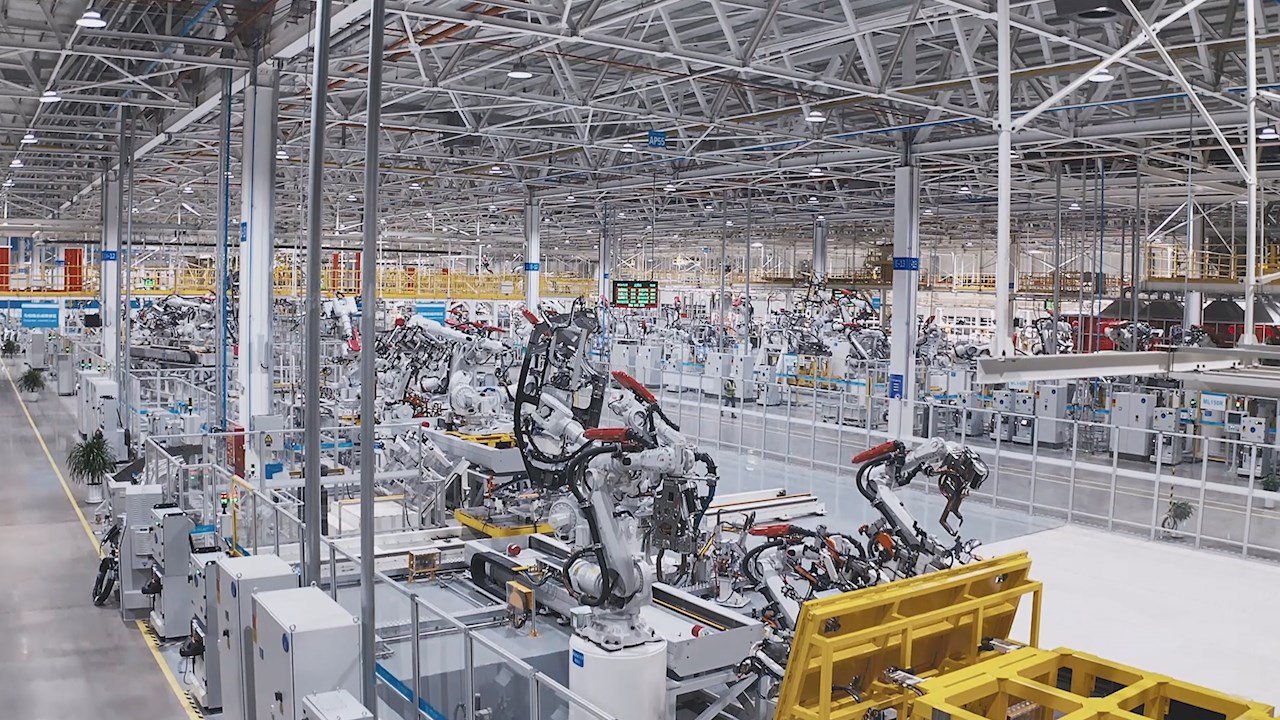
Fleet trucks, not assembly lines, drive automotive work in this part of Wyoming. Oilfield service trucks, haulers, municipal fleets and utility crews all need a place to park, fuel, wash and repair, and a growing number need a place to charge. We build those depots. We are not aware of a vehicle assembly plant in the Casper metro, and we do not claim experience we do not have.
A service bay is a harder building than it looks. It needs a floor that sheds water and oil, drains that go to a separator, ventilation that handles exhaust, lifts or pits set into thick slab, and doors tall enough for a work truck with a rack. Add EV charging and the electrical service doubles in size. We plan the utility entrance, transformer pad and conduit paths before the building is sized.
Safety is practical here. Lifts, pits, compressed air, fuel and battery work each carry their own hazards. We build to the layout your shop supervisor wants, we label hazard zones before the first vehicle moves in and we hand over with a walk-through of every shutoff.
Roads, routes and where vehicles stay
Casper is served by Interstate 25, US Routes 20, 26 and 87, and Wyoming Highways 220, 251, 252, 254, 255 and 258, at 5,150 feet elevation. Trucks that serve the oilfields, the refinery and the plants run these routes daily. Winter closures and wind on the open stretches are part of every dispatcher's day, so a depot with indoor parking and reliable power is a real operating advantage. Wyoming Boulevard has an interchange at exit 185, and north of town I-25 has exits at Wardwell Road, Westwinds Road and Ormsby Road. Depots near those interchanges save fleet miles.
Corridor traffic also matters for charging. A site near an interchange with parking, lighting and a utility feed is a candidate for public fast chargers, and a fleet depot can host its own. We build the pad, the conduit and the service entrance, and the owner's electrician and charger vendor complete the equipment. See Wyoming Boulevard and Fort Caspar for one of those corridors.
Cold, salt and what happens to a floor
Midwest, in the northern part of Natrona County, has recorded a high of 106 F and a low of minus 42 F. Fleet equipment lives in that range. Floors are wet with snowmelt, salt and oil from October to April, so we use sealed concrete, trench drains and sloped aprons. Doors get heaters, and vehicles park inside to start in the morning.
Cold also affects electric vehicles. Battery range drops in low temperatures, and charging slows. Fleets plan for that with more chargers and preheating. For owners, that means more electrical capacity at the site than a simple count of vehicles suggests. The City of Casper lists a three foot frost line and an air freezing index of 3,000, so pads and footings are designed deeper than in milder places. We confirm each with the building department during design.
Depot, shop and yard scope
The package for a fleet owner usually includes maintenance shops and service bays, a wash bay with a recycle system, a fuel island or tank pad, a parts room, driver offices and a fenced yard. Automotive fleet facilities are the larger version, with dispatch, a training room and a tire shop.
The yard matters as much as the building. Parking for trucks and trailers needs stabilized parking lots with drainage, snow storage and lighting that does not blind drivers. Gates, cameras and access control come last in the design but go in early in the build. If the depot also serves a supplier or manufacturer, the same lot may carry the inbound parts trucks.
Neighbors and customers
Fleet depots serve many industries. Logistics and distribution operators run trailer fleets that need tractor bays and inspection pits. Utility and power owners run line trucks and need bays with high doors and crane clearance. Oilfield service companies run vacuum trucks and water haulers that need a wash bay with a heavy separator.
A purpose-built automotive or EV plant is a very different project, and we say so. If a manufacturer is considering Wyoming, we can build the plant shell and site while the process engineer defines the line. We would start with the utility study and the foundation drawings, as we do for any process owner.
What a vehicle building costs
Slab design and drainage drive the price, along with door count and size. Pits and in-floor lifts need excavation, waterproofing and tight coordination. EV charging adds a transformer, switchgear and conduit, which can cost more than the building envelope on a small depot. We separate the base building from the charging infrastructure so you can phase it.
Financing options exist for qualifying projects. The City of Casper's Industrial Revenue Bond policy considers bonds only for projects over $2 million that create employment, expand the tax base and promote Wyoming products, with committee review taking about two months. Most fleet depots are below that threshold, but a larger manufacturing or assembly project might qualify. Ask your advisor early, and add fencing and security to the site budget from the start.
Tell us the fleet count
Send the vehicle count, the bay layout and the charging plan. We will return a phased depot plan with drainage, utilities and safety zones built in from the first drawing.
Common Questions
Do you build EV charging sites?
We build the civil side: the pad, the conduit, the transformer pad, the service entrance and the lighting. Charger installation and commissioning belong to the charger vendor and the electrician. We coordinate the schedule so the utility, the vendor and the inspector arrive in order.
How big a service connection will a fleet need?
That depends on charger count, charger power and how many vehicles charge at once. Your utility and engineer set the number. Plan early, because transformer lead times can be long, and ask us to leave conduit and space for future chargers.
What floor is best for a heavy-truck bay?
A thick, reinforced slab with sealed concrete, trench drains and a sloped apron, designed for the heaviest axle load and for lifts. Epoxy coatings are optional and add cost. We price alternatives with a life-cycle view.
Do you build wash bays?
Yes. A wash bay needs a sloped slab, a collection trench, a sand and oil separator and often a recycling system. Local discharge rules apply, so we confirm them with the city or town before design is final.
Is a vehicle assembly plant realistic in Casper?
We have no information that points to one today. If a manufacturer were to consider the metro, our approach would be the same as for any process owner: utilities first, site second, building third. We would work with your engineers on the line and build the base plant.
How do you keep a depot working while we build?
We phase the site. New bays and yard go in on the open side while trucks keep using the old ones. Fuel, wash and parking each get a temporary arrangement before the old one is closed, and a flagger controls the haul route. Drivers get a short briefing at each change, and the permit to work covers every excavation near a live tank or line.