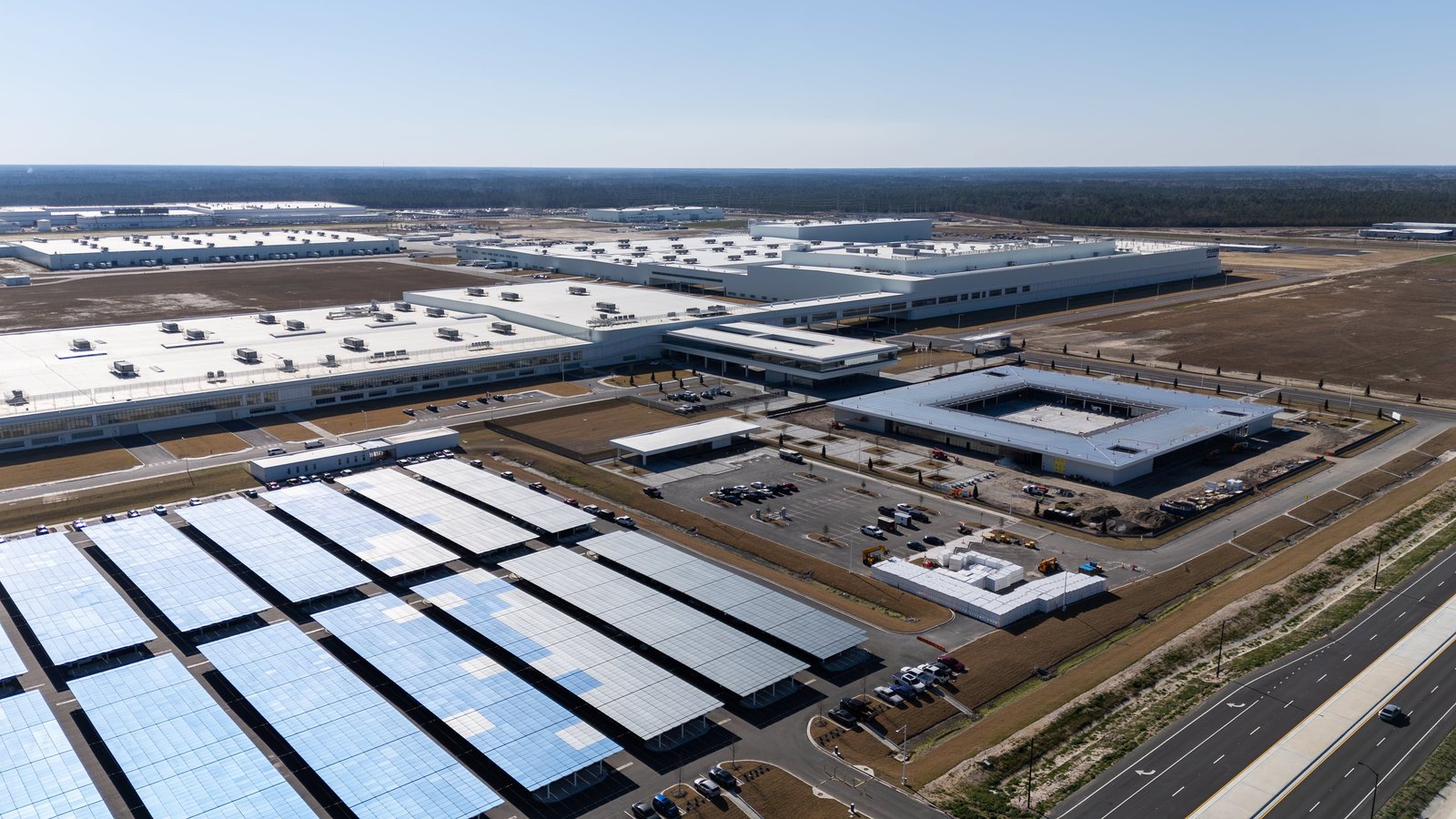
Cold-soaked batteries and cold slabs fail in the same quiet way. Casper sits in climate zone 6B, and the City's own criteria page lists a three foot frost line to the top of footing, a 3,000 air freezing index and severe weathering. An automotive or EV plant here is a winter building before it is a process building.
Most owners who call us are not planning a full assembly line. They want a fleet upfit bay, a battery storage and charging-equipment shop, a component fabrication line or a conversion plant with overhead cranes, trench drains and clean power. We build those the way we build for a refinery. Permit to work first. Safety orientation before the first truck backs onto the pad. Tie-ins scheduled against the owner's outage dates.
Site, slab, power, permit. We plan them in that order, because the building follows the slab and the slab follows the soil.
Where automotive and EV work fits in the Casper metro
Land is available, and some of it is already set up for industry. The NCIA Business Park next to the airport houses more than 35 businesses, from manufacturing to aviation. Foreign Trade Zone 157 includes a 492 acre magnet site at 8500 Airport Parkway, which matters to anyone importing drivetrain parts or exporting finished units.
Freight is the other draw. Casper Logistics Hub is Magnet Site 2 of the same zone, listed at 984 acres at 6 Mile Road and Commerce Street. The rail yard nearby already handles wind-energy components and refining products, so heavy, oversized cargo is nothing new to the local carriers. Our Casper Logistics Hub work and our airport business park work are where most of these plants land.
What goes into the building
An EV or automotive plant is a floor with a roof over it. The floor does the work. Battery handling and heavy assembly call for flat, hard slabs with joints laid out around the line, and charging and test cells need embedded conduit before the pour, not after. We coordinate those sleeves with the equipment supplier's drawings, because a missed penetration means a saw cut and a repair in a slab the owner just paid for. See how we finish industrial floors.
Power is the second big scope item. Fast chargers and test stands pull real load, so the service, switchgear and underground runs are sized early. The underground duct bank trade crews build the encased runs and set the pull boxes before the building goes up. Process areas need makeup air, spill containment and fire separation for battery storage, all sorted with the fire marshal before the shell is ordered. Trench drains and sumps go in with the slab, sized for wash-down and for the day a coolant line lets go.
Permits and the design criteria that govern it
Casper's commercial permits often require a life-safety plan, engineered building and site plan drawings and Planning/Zoning approval. An issued permit is good for 180 days, and plan review reaches structural calculations, engineering reports and specifications. Battery storage and charging equipment draw extra attention in review, so we submit a complete package the first time. A rejected sheet costs weeks, and a permit clock that is already running does not wait for the redraw.
The state adopted the 2024 International Codes on June 28, 2024, and Casper lists the same family on its code page, with local amendments in Title 15. Snow load is not a fixed number on the city's criteria page. It points to the ASCE Hazard Tool, so the engineer pulls the value for the actual parcel. We confirm the electrical code edition with the department before ordering gear. Our permit coordination work covers all of it.
What moves the number
Three things move the price of this building more than any other. The slab, because flatness and thickness are specified to the equipment, not to the building. The electrical service, because gear on backorder sets the schedule and the carrying cost. And the frost, because footings that go three feet down and a winter enclosure for the pour both cost money that a warm-climate estimate never carries.
Long-lead items deserve their own line. Switchgear, overhead cranes and process equipment arrive months after the order, and the building has to be ready to receive them. Our long-lead procurement process locks release dates against the erection plan, so the pad is poured when the iron arrives instead of the other way around. We also price the winter. Heated enclosures, blanketed pours and slower curing each add days, and the owner should see them as line items before the contract is signed, not as change orders in January.
Sequence and season
Foundations and slabs want the warm months. We aim to get footings in and backfilled before the ground freezes, then enclose the building so interior work carries on through the cold. A pre-engineered metal building shell often fits the schedule best, since erection goes quickly once the frames are on site.
Plants that attach to an operating site run on a permit to work. Everyone on the crew gets a safety orientation, hot work and excavation permits are issued daily, and crane lifts are planned in writing. For owners comparing this to a broader manufacturing plant program, the schedule risk is the same: equipment lead time, then inspection, then commissioning.
Planning an automotive or EV plant?
Send us the equipment list, the power requirement and the site. We will come back with a slab, service and permit plan, then a number. Start with an automotive and EV industry conversation about the line you have in mind.
Common Questions
Is there a market for an automotive or EV plant in Casper?
Small and mid-size plants make sense here: fleet upfit, battery storage and service, component fabrication and conversion work. A full vehicle assembly line is a different scale of project and usually follows a larger supply chain than this metro has. The business park, the free trade zone sites and the rail yard give a smaller plant what it needs for inbound parts and outbound freight.
How cold does the slab design need to be?
Design to the City of Casper criteria: climate zone 6B, a three foot frost line to the top of footing and severe weathering. Floors in heated buildings still need frost-protected edges and a base that drains. We pour in enclosed, heated conditions in winter and cure the slab slowly so it reaches strength without cracking.
Can you build next to an operating plant?
Yes. Work beside a live site runs on the owner's permit to work, a safety orientation for every worker and clear gate and laydown rules. We schedule noisy or disruptive tasks, such as saw cutting and heavy lifts, around the owner's shifts and outage dates.
How long does permitting take for a battery or charging plant?
Plan on a full review cycle with a life-safety plan and stamped drawings, and expect comments on fire separation and ventilation. The permit lasts 180 days once issued, so we hold the submittal until the schedule is firm enough to start inside that window.
Does the foreign trade zone change how we build?
Not the building itself. It affects how the owner handles imported components and finished goods. We lay out the receiving area, truck court and secured storage so customs-bonded and open inventory can be separated.