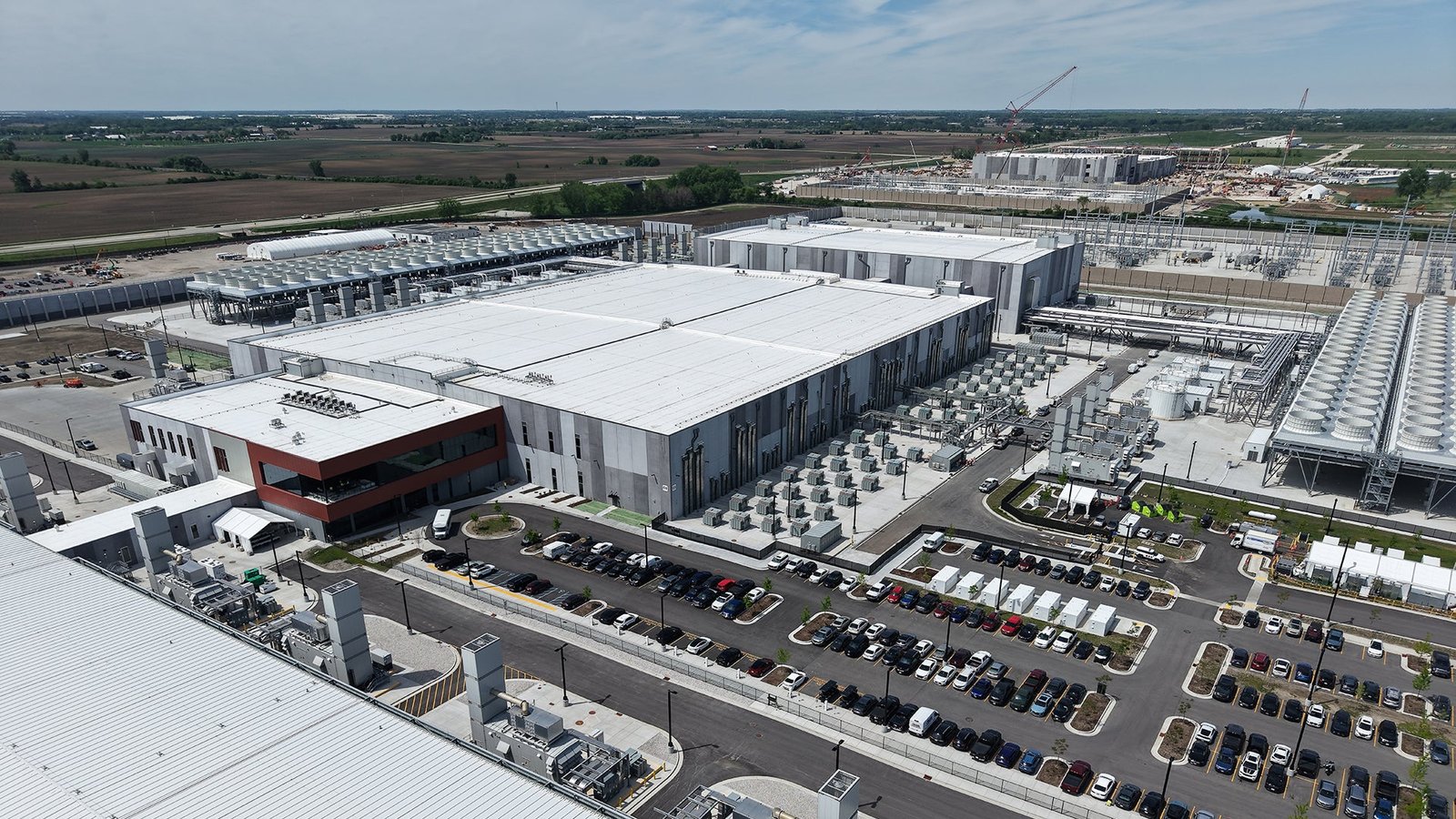
A data center is a power plant that happens to hold servers. That is the mindset we bring to Casper. Power comes first, fiber second, land third, and a building that can be commissioned without surprises. We build data halls, electrical rooms, mechanical yards and the infrastructure that connects them, and we treat every energization the way a refinery treats a restart: with a checklist, a permit and a sign-off.
Casper sits at 5,150 feet in a climate zone the city lists as 6B. Cold, dry air is useful for cooling, and wind and snow are hard on rooftop equipment. Altitude changes how air handlers and generators perform, so mechanical and electrical engineers derate for it. We read those drawings against the site, not against a catalog.
Some owners start with a small hall and expand. Others need a full campus. Either way, we begin with preconstruction, so the utility path, the permit and the equipment lead times are known before ground breaks.
Why Natrona County is on the list
The airport operates Foreign Trade Zone 157 with a 492-acre magnet site at 8500 Airport Parkway, and the Casper Logistics Hub is listed at 984 acres at 6 Mile Road and Commerce Street. Large parcels near highway, rail and fiber are rare, and these are the places where an operator can plan a campus. A $617,483 grant package was approved for about 30,000 linear feet of fiber in and around the airport business park.
Land and fiber are only part of the picture. Utility capacity decides the schedule, and we cannot promise it. We help owners write the questions for the serving utility and we plan the site around the answer. See our Casper Logistics Hub page for the ground and the rail yard next to it.
What we build
The data hall is a clear-span, high-bay or multi-story building with a slab, a roof system and structural supports for racks, cable trays and cooling. We build electrical rooms for switchgear, UPS and batteries, mechanical yards for chillers or dry coolers, and generator yards with fuel storage and containment. Offices, loading docks, a security building and a staging room complete the campus. Security fencing, a controlled gate and cameras go in early, because equipment arriving at a site with no perimeter is a theft risk and an insurance problem.
Site work is a large block. Mass grading, drainage, fire water, roads, fencing and security lighting all precede the building. We also coordinate with the utility on the point of interconnection and with the telecom providers on conduit and entry rooms. Underground duct banks are among the first things we put in the ground.
Long-lead items run the job
Transformers, switchgear, generators, chillers and UPS systems have lead times that can exceed the construction schedule. They also arrive on heavy trucks that need a route and a crane. We track each item from purchase order to delivery and tie every pad, slab and building milestone to it. A foundation without equipment is a cost. Equipment without a foundation is a bigger cost.
Our long-lead procurement process puts every critical item on a schedule line and assigns an owner. Weekly meetings review delivery dates, shop drawings and factory tests. If a unit slips, we re-sequence the pad work, the crane booking and the electrician's crew the same day, so the delay costs a few days of float and not a month. Winter weather is the second pressure. Pours, steel and roofing planned for shoulder season avoid the worst conditions, and heated enclosures cover what cannot wait.
Codes and review
Wyoming adopted the 2024 International Codes on June 28, 2024, and local governments with enforcement authority must meet that standard within six months. The City of Casper lists the 2024 codes with Title 15 amendments. The state fire marshal page names the 2026 National Electrical Code, while some Wyoming sources still cite 2023, so we confirm the NEC edition with the department and the local authority before design is finished.
Because the state does not enforce a single building code, a project outside city limits may follow county or town rules. We confirm the authority having jurisdiction first. City commercial permits often call for a life-safety plan, engineered drawings and Planning and Zoning approval, and a permit lasts 180 days, so we plan inspections inside that window.
Energization and commissioning
Commissioning is where data center schedules are won or lost. Systems are tested individually, then integrated, then run under load. We build the sequence into the schedule, including lockout/tagout, energization permits and witness tests. Only authorized people close a breaker, and every energization has a written plan and a sign-off.
We keep documentation as we build: pour records, torque logs, test results and as-builts. The commissioning and turnover package gives the operator and the commissioning agent the information they need on day one. Sites in data center or utility work will also ask for our safety orientation and our permit to work procedures, which we are glad to share.
Decisions that shape the budget
Phasing is the first one: build the whole hall or a first module. Power density is the second, which controls cooling, electrical equipment and floor loading. Redundancy level is the third, since each increment adds equipment, buildings and space. Fire protection, security and noise limits are fourth, and often cause redesign if left to the end. We ask for the answers early, even if they are rough, and we carry allowances in the budget for the ones that stay open. A budget that hides an unanswered question is just a delay with a number on it.
Our support building work covers the generator, switchgear and cooling structures that sit outside the hall. For owners starting small, that package is often the first phase. See our data center building page for the building form.
Start with the utility letter
Send us the parcel, the power target and the utility correspondence. We will review the site, outline the sequence and give you a preconstruction scope with milestones for equipment, permits and commissioning.
Common Questions
Is Casper a realistic place for a data center?
It has large parcels, a cold dry climate, a foreign trade zone and fiber projects around the airport. Utility capacity decides everything and must be confirmed in writing with the serving utility before you commit.
How long does it take?
Equipment lead times and utility interconnection control the schedule, not the building. We lay out the milestones with the owner after reviewing the equipment list and utility letters, and we do not promise a date without them.
How does cold weather affect construction?
Concrete, roofing and sealants all have minimum temperatures. We plan structure and envelope for shoulder seasons, use heated enclosures when needed and schedule commissioning indoors. Wind often stops crane lifts.
Which fire and electrical codes apply?
The state adopted the 2024 International Codes and Casper lists them with local amendments. The NEC edition needs confirmation, because the state fire marshal page names 2026 while other sources cite 2023. Your engineer and the local authority decide.
Can you build in phases while the first module is live?
Yes. We separate construction traffic, dust and welding from energized areas, leave stub-outs for the next phase and follow your lockout rules. Plans are written before work begins.